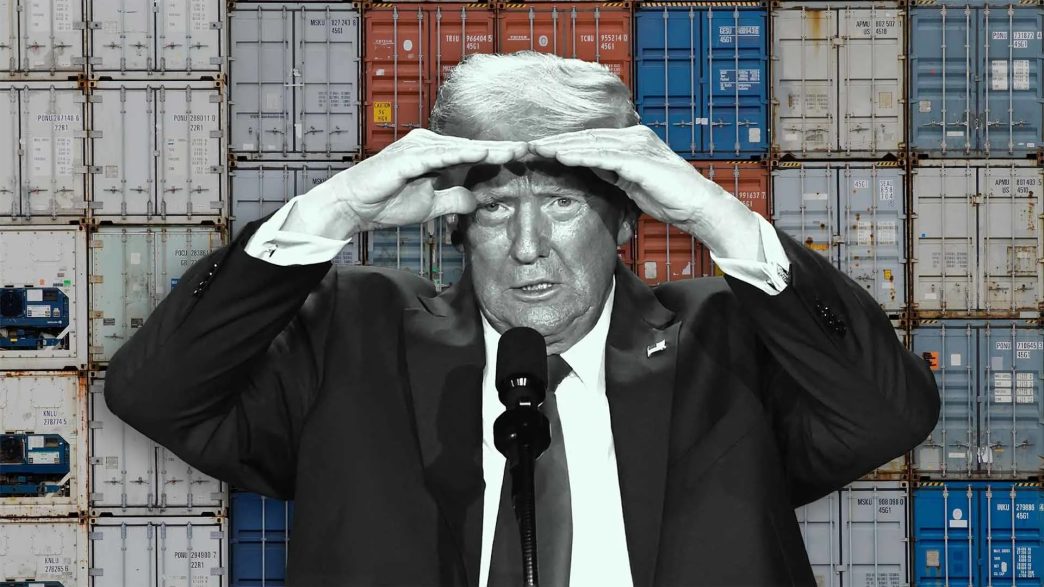
To say it’s been a dramatic week for the economy barely scratches the surface.
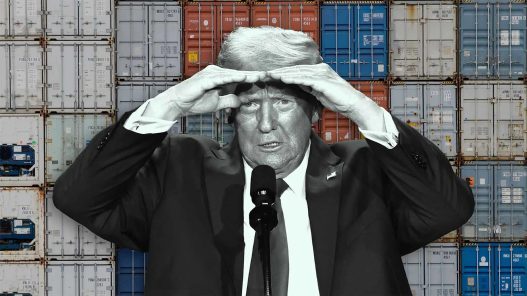
Small businesses across the globe have been grappling with the repercussions of newly imposed tariffs by the Trump administration. These tariffs, including a 145% levy on Chinese imports and a 10% base tariff on goods from other countries, have introduced significant challenges for small enterprises in every country.
In the U.S., businesses are experiencing increased costs for imported goods, leading to difficult decisions regarding pricing and operations. Emily Ley, owner of the stationery company Simplified, anticipates an additional $630,000 in import duties over the next year due to the new tariffs. This financial strain has compelled her to consider reducing salaries and scaling back expansion plans.
Similarly, Andrew Chen, founder of the fashion brand 3sixteen, has expressed concerns about rising costs and business uncertainty. His company relies on materials like Japanese denim and Canadian fleece, and the tariffs are expected to increase retail prices by approximately $50 per item. The unpredictable nature of the tariffs has made logistical planning and pricing strategies increasingly complex.
Further south, in Australia, the impact is also being felt. RAQ Apparel, an Australian swimwear brand that manufactures its products in China, has been forced to shut down its U.S. online store due to the prohibitive costs imposed by the new tariffs. Founder Sophia Argyropoulos stated that the increased expenses made it unfeasible to continue operations in the U.S. market without passing the costs onto consumers, a move she was unwilling to make.
The broader economic implications are significant. The International Trade Centre has indicated that the escalating tariff war could decrease global trade by up to 7% and reduce global GDP by 0.7%, disproportionately affecting developing countries. In the United States, small business confidence has dropped, with the share of owners expecting better business conditions falling to 21%, the lowest since October and the biggest drop since December 2020.
The uncertainty surrounding trade policies has led to a cautious business environment. Companies are hoarding cash, delaying investments, and potentially reducing staff. The erratic policymaking has led to criticism and concerns that the U.S. may become isolated economically.
In the United Kingdom and Europe, the tariffs have also had a ripple effect. Scottish exporters, particularly in the whisky industry, have expressed disappointment over the U.S. tariffs. The Scotch whisky industry contributes £971 million per year in business with the United States, and the new tariffs are seen as a significant blow to this sector.
In Asia, the tariffs have disrupted supply chains and increased costs for small businesses reliant on Chinese manufacturing. The increased tariffs have made it challenging for these businesses to maintain profitability without passing costs onto consumers or seeking alternative suppliers, which may not be readily available or cost-effective. 
The newly imposed tariffs have introduced significant challenges for small businesses worldwide. The increased costs, supply chain disruptions, and economic uncertainty have forced many small enterprises to make difficult decisions regarding pricing, operations, and expansion plans. As the global economy continues to navigate these turbulent times, small businesses remain at the forefront of those most affected by these policy changes.