In an era of consumerism and overflowing landfills, a growing number of individuals are seeking solutions. Sam Gibbs, an Outdoor Environmental Studies teacher, is one of them. For Gibbs, a passion for the natural world is not confined to the classroom, it is also a driver behind his business, LEAD, a company built entirely on the principle of upcycling. In a world full of disposable goods, Gibbs’s journey serves as a reminder that purpose-driven businesses have a crucial role to play in tackling our waste problem.

A Solution Born from Necessity
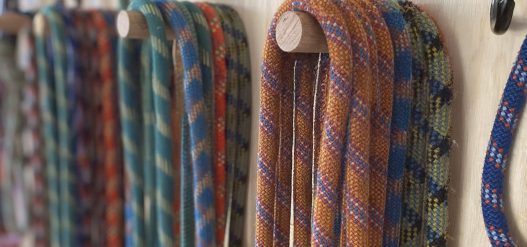
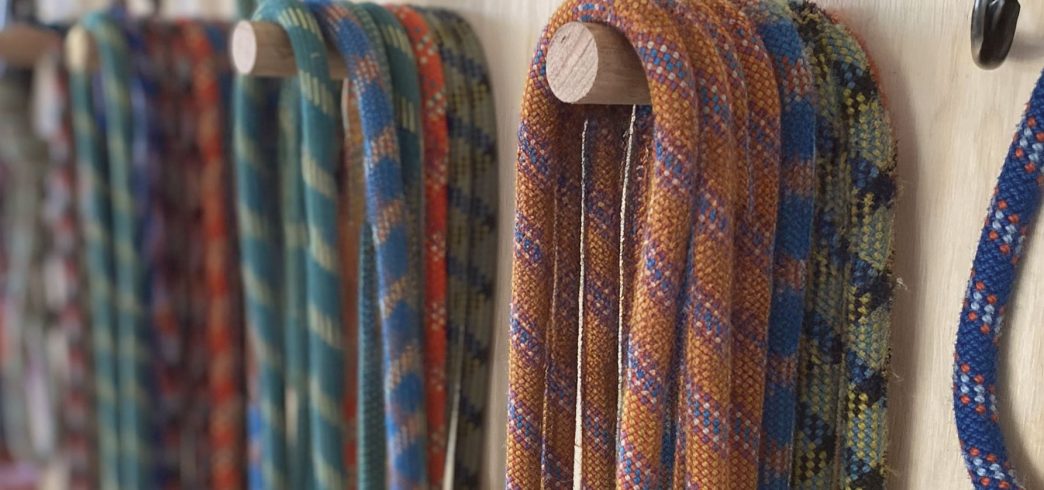
The concept for LEAD emerged from a moment of simple ingenuity during the 2020 Victorian lockdowns. Gibbs needed a dog lead but couldn’t go shopping (what crazy times those were). He instead repurposed an old piece of discarded rock climbing rope, tied a knot in it, and attached a carabiner. The result was not just functional but also aesthetically pleasing. 

“I thought it looked pretty cool and was a good way of reusing old, retired rope for a better purpose,” Sam recalls.
This simple act of creative reuse sparked an idea: what if he could give retired ropes a second life for others? A business was born, and LEAD now offers a suite of products including durable dog leads, belts and keychains.
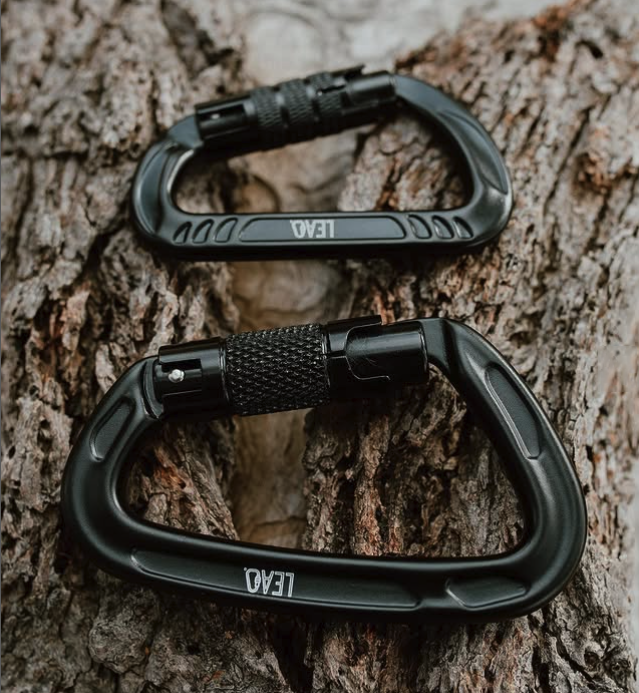
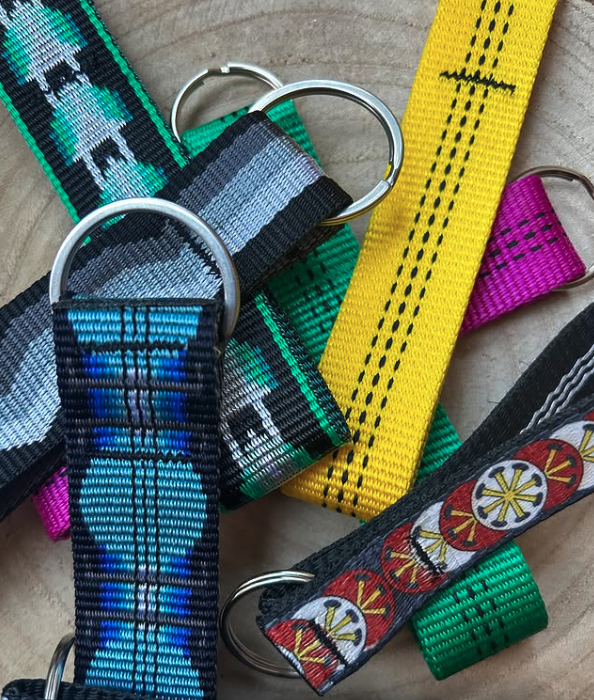
This process of trial and error, involving feedback from friends and continuous improvement, became the foundation for a business model focused on practical, real-world testing.
From Passion to a Business
Gibbs’s professional background provides a deeper context for his LEAD mission. As a teacher of Year 11 and 12 Outdoor Environmental Studies, his daily work involves helping students “discover their place in the outdoors.” This passion for preservation and protection extends to his entrepreneurial pursuits.

For Gibbs, LEAD is a “really fun way” to act on his environmental convictions. The business is not simply about selling products, it is about providing a more sustainable alternative to the linear “use and throw away” model. His ethos is to always try to be more environmentally conscious, and the entire business is a manifestation of this personal commitment.
The Upcycling Advantage: A New Kind of Quality
What makes LEAD’s approach so compelling is its authentic embrace of the upcycling process, which offers both a unique aesthetic and a practical advantage. All products are made from “second-hand rope, so there are blemishes and imperfections, which we love.” These marks are not seen as flaws but as a narrative of the product’s past life. This ethos directly challenges the corporate pressure for a flawless, mass-produced look, instead inviting customers to appreciate a product’s history and its role in reducing waste.
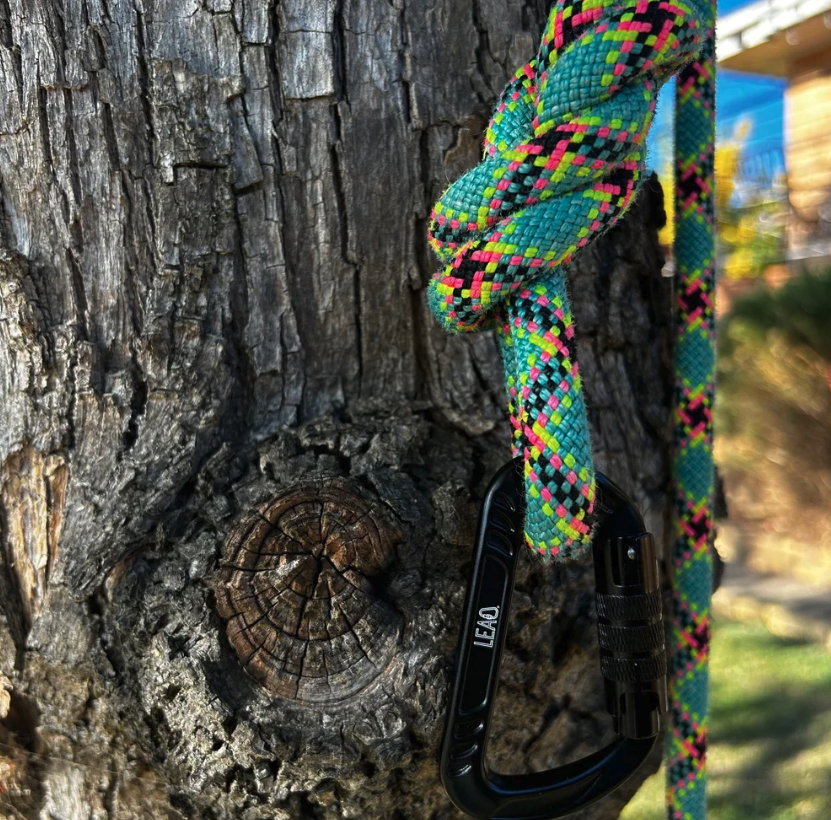
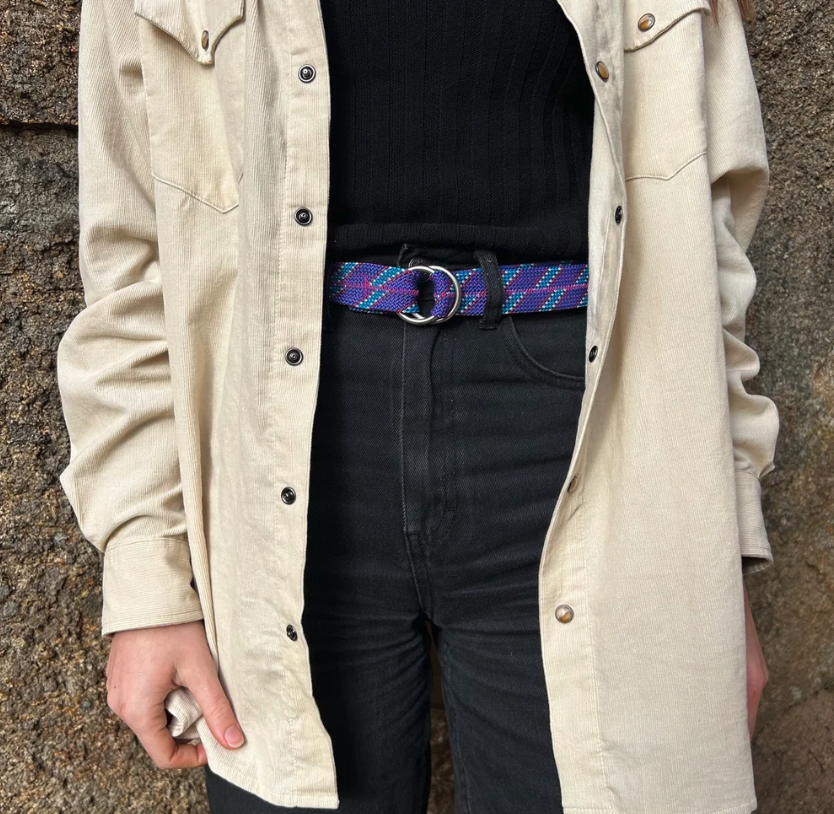
This commitment to quality is consistently highlighted in customer feedback. People describe the dog leads as “hard-wearing” and “durable.” For the keychains, a popular item, customers love that there is “often only 1 of each design,” highlighting the value of unique, handcrafted items in a market saturated with uniform products. The very material itself, originally intended for demanding use, provides a built-in durability that supports the brand’s promise of long-lasting products.

A Blueprint for the Future
In a business landscape grappling with the ethics of sustainability, Gibbs’s journey offers a vital perspective. He believes that creating a more sustainable option is paramount in a world that throws away so much. For him, the motivation behind LEAD is clear: “The satisfaction of creating good products that help the environment is worth more than money.” His advice to others with a similar upcycling idea is simple and direct: “Go for it!”
Gibbs’s story is a blueprint for a new kind of entrepreneurship, one where a small business can make a big impact. By prioritising upcycling and a passion for the planet, he is proving that with a little creativity and a lot of commitment, we can turn waste into a valuable opportunity.