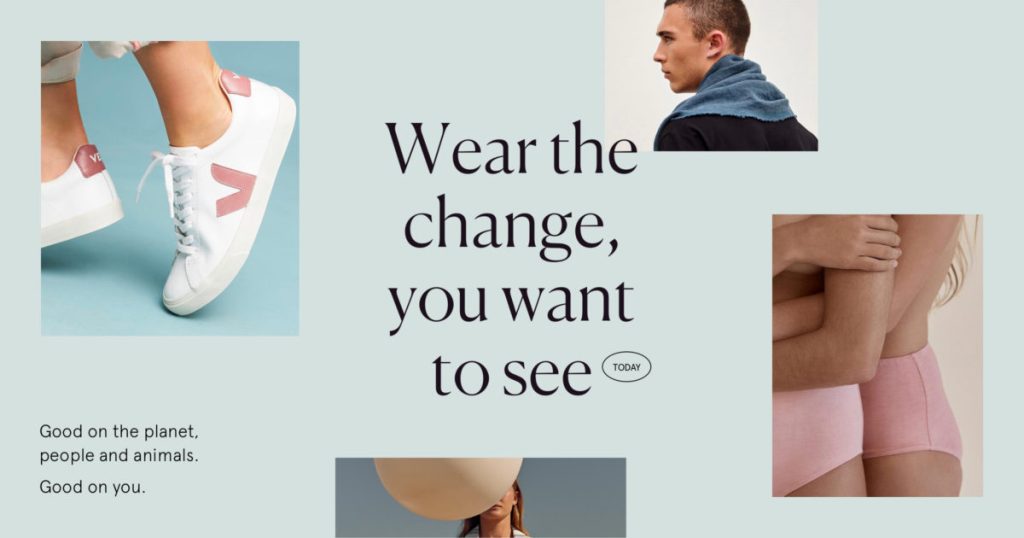
Ten years ago, the sustainable fashion movement lacked a central nervous system. Shoppers were asking questions about how their clothes were made, but brands were evasive. That information deficit sparked a brainwave for co-founders Gordon Renouf and Sandra Capponi: an app that would rate our favourite labels on their impact on animals, workers, and the planet. Today, Good On You is no longer just an app; it is the benchmark of accountability for the global fashion industry.
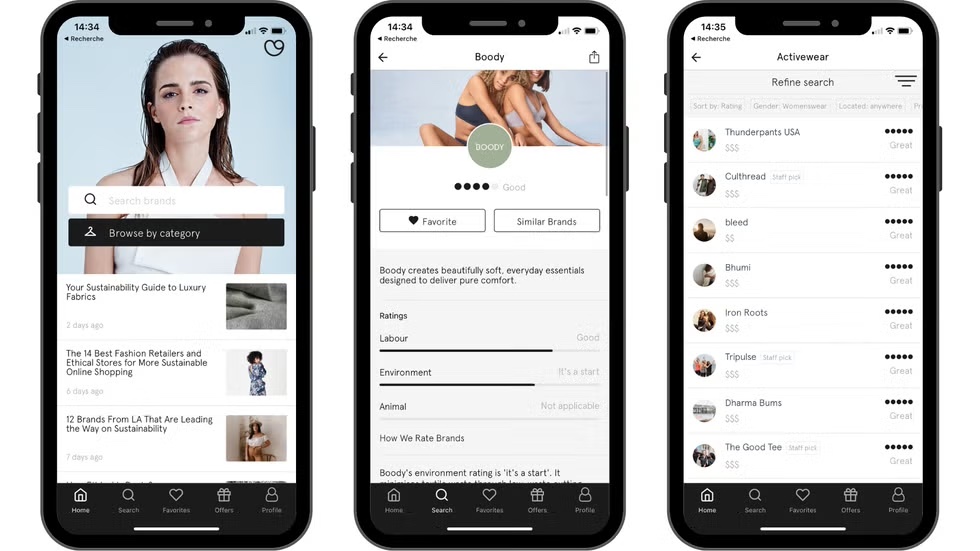
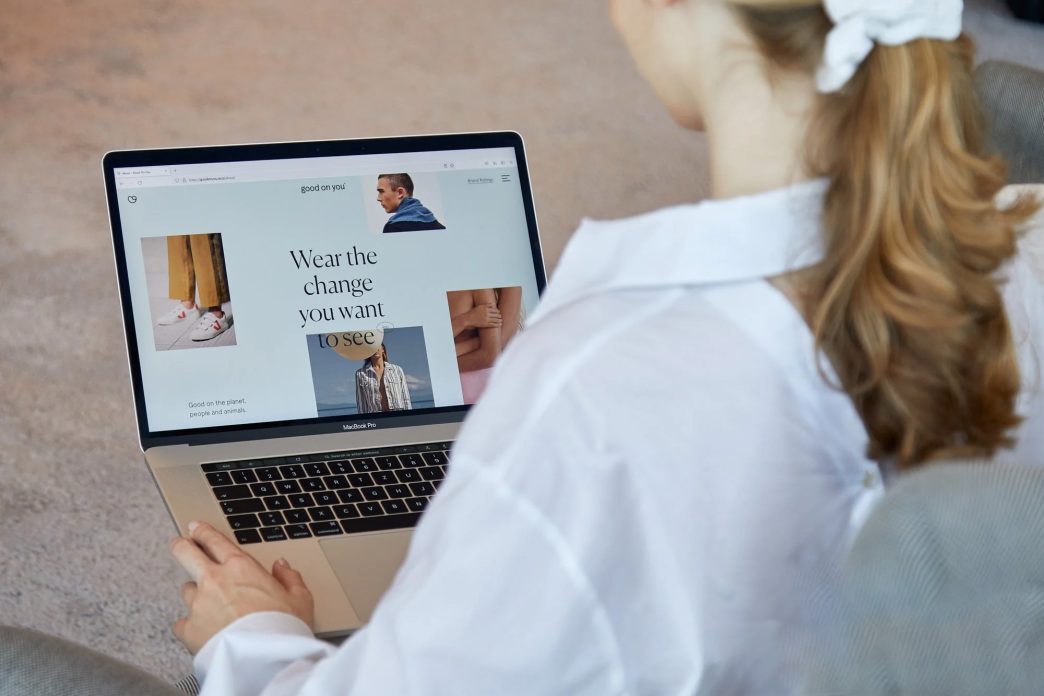
Good On You user experience.
The Rise of the Conscious Consumer
The moment Good On You launched in Australia, its founders understood they had solved a massive consumer problem. The app notched up an astonishing 10,000 downloads within eight days. Co-founder Sandra Capponi credits the instant validation to providing a much-needed solution.
“It was such an energising way to start and proved that we were providing a real solution for shoppers”


Good On You co-founder, Sandra Capponi.
In the decade since, the app’s reach has expanded across the US, UK, and Europe, transforming it into what is now widely called the ‘Ofsted for fashion.’ For millions of monthly users, including high-profile advocates like Emma Watson, it provides a frictionless way to align values with spending.
As Capponi notes, this shift taps into something profound:
“We’re tapping into something meaningful for people. We all have values and we live and breathe them every day, often without noticing. Fashion itself is about looking and feeling good and none of us want to buy something if we know it’s harming something or someone else”
Accountability Through Transparency
Good On You’s power lies in its rigorous, data-driven approach. The app’s global team of experts assesses brands across thousands of data points, but with one critical rule: they only consider publicly reported information.

This mechanism immediately elevates transparency from an optional virtue to a necessity for good scoring. According to Capponi, “For some brands where there is very little information, it’s a quick process but they score poorly because they haven’t been transparent about what’s happening behind the scenes” (Harpers Bazaar, 2025).
The recent review of the NikeSkims collaboration offers a perfect example of this forensic scrutiny. Despite marketing innovation, Good On You found the new line lacking virtually all sustainability credentials, noting the absence of crucial information on end-of-life handling, sourcing and supplier lists, and details on whether garment workers are paid living wages. Both Nike and Skims had already received the second-worst score of “Not Good Enough” in prior individual brand ratings, confirming that a flashy collaboration cannot mask a lack of fundamental transparency about ethical and environmental impact.
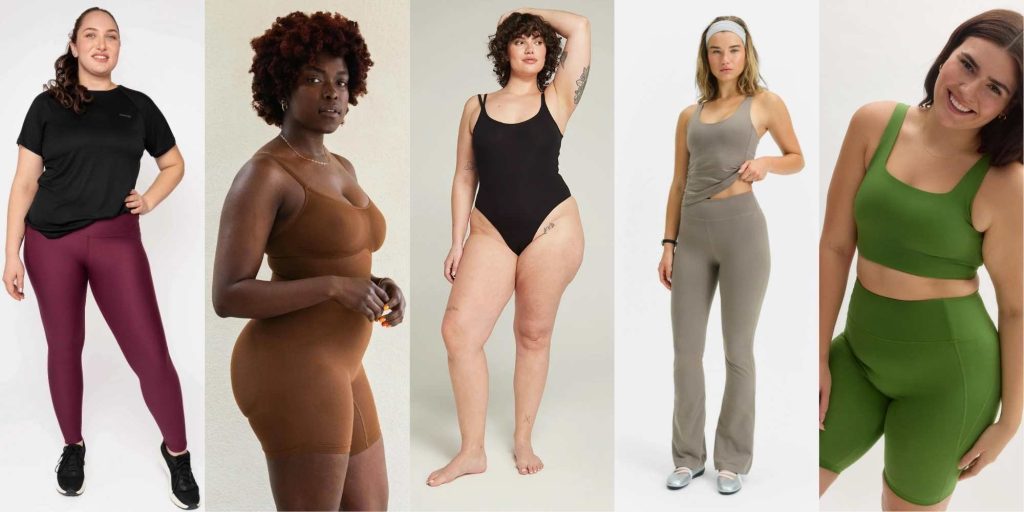
Here are five picks from “Good” and “Great” rated brands that are working more sustainably, and creating great athleisure and underwear.
- Tripulse Leggings
- Proclaim Bodysuit
- Nudea Cotton Bodysuit
- MATE The Label Stretch Trousers
- Girlfriend Collective Bra
This forensic focus on data reveals inconvenient truths for industry giants. Good On You’s first performance report found that large fashion brands average just 30% on environmental measures, while smaller businesses perform better at 46%. Perhaps more surprisingly, many luxury brands score poorly, often due to the use of harmful materials like exotic skins and a pervasive problem of destroying excess stock to maintain brand identity. The app proves that a high price point is no guarantee of ethical standards.
Rating The World, Not Just The Wardrobe
By weaponising transparency, Good On You has established itself as a necessary gatekeeper, giving shoppers agency in an often-opaque industry. This success is now driving an ambitious expansion plan.

The firm has set its sights on extending its rating system to homeware, food, and electronics in the coming years. This move signals a belief that the desire for accountability doesn’t stop at the wardrobe; it applies to every purchasing decision.
Ultimately, the growth of Good On You is a testament to the idea that commerce can be a force for good. In a world where global issues often lead to feelings of powerlessness, the app gives every consumer a daily opportunity to vote with their wallet. As Capponi summarises, the app helps us feel like we are making choices that allow us to be part of the solution: “I know that sounds cheesy but there is real power in that”. (Sandra Capponi, Harpers Bazaar, 2025).