Unpredictable conditions, crowded lineups, local hostility, and long paddle-outs are just some of the daily frustrations surfers face. Oh, and let’s not forget the lurking sea monsters in the depths below.
For many, the raw challenges of nature are part of surfing’s allure. But with a growing global population and the increasing popularity of the sport, finding an uncrowded wave has become nearly impossible.
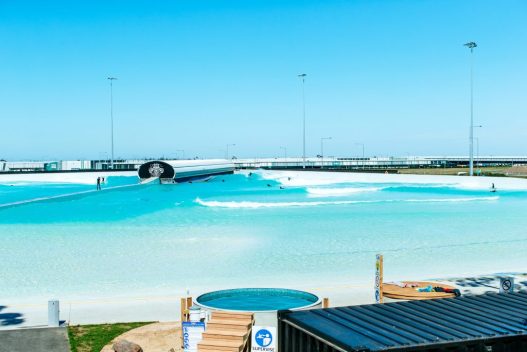
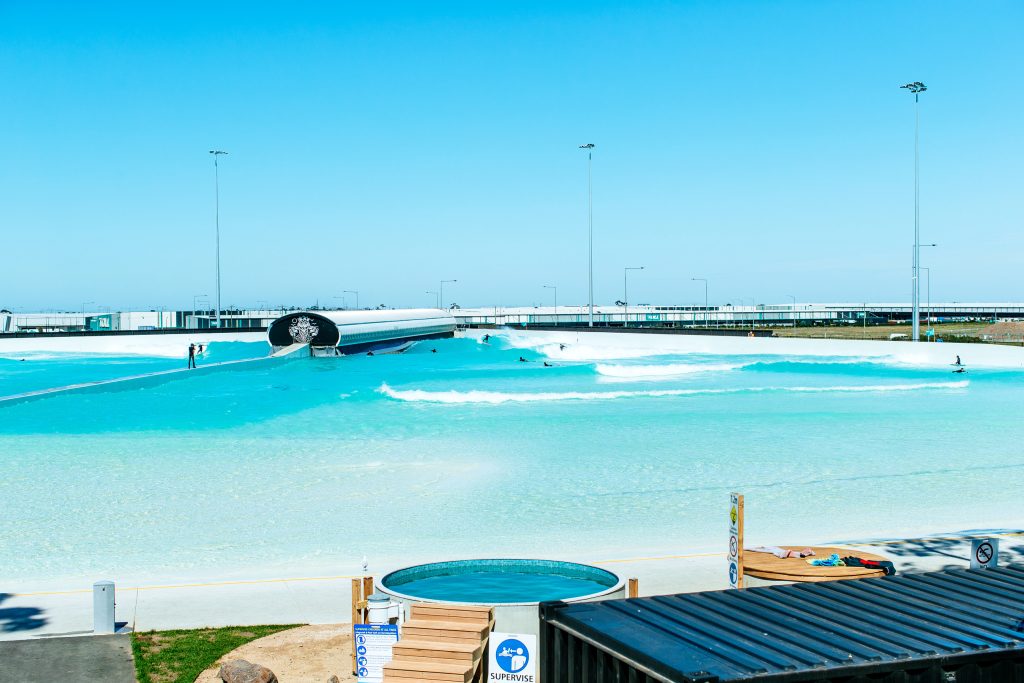
Enter man-made waves. If you haven’t yet encountered them, wavepools are a worldwide phenomenon revolutionising the surfing experience.
These marvels of engineering are cropping up in cities across the globe, from east to west. Now, Australian surfing legend Mick Fanning is diving into the action, investing in what’s quickly becoming one of the fastest-growing industries. According to reports, Fanning has put his money behind a $300 million resort on the Gold Coast—one of Australia’s most iconic surf destinations. 
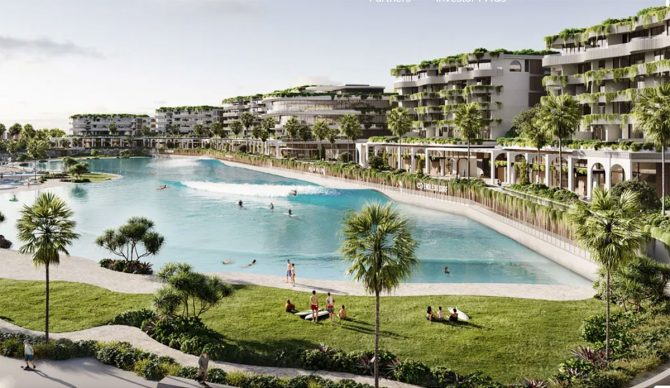
The site, located just a few kilometres inland, may sound like a strange addition to a coastline renowned for its world-class waves. But for anyone who’s experienced the magic of a wavepool, it’s clear why they’re gaining traction.
Wavepools, contrary to popular belief, were not invented by Kelly Slater. In fact, they’ve been around for decades. However, Slater undeniably modernised the concept, reimagining surfing in artificial water. Widely regarded as the greatest surfer of all time, Slater spent over a decade secretly testing various methods to create a surfable wave within a controlled environment. In 2015, he unveiled his prototype, revolutionising the industry.
While Slater’s design was groundbreaking at the time, newer wavepool technologies have since eclipsed it, offering even more advanced and diverse surfing experiences.
So, where do wavepools go from here? The trend shows no signs of slowing down. Despite the hefty price tag to ride these artificial waves, surfers continue to flock to them for their predictability and accessibility. And for professional surfers like Mick Fanning, they represent more than just a perfect wave—they’re a lucrative financial opportunity.
With wavepools rapidly expanding and attracting both surfers and investors, they are reshaping the future of surfing, blending tradition with innovation in ways the sport has never seen before.