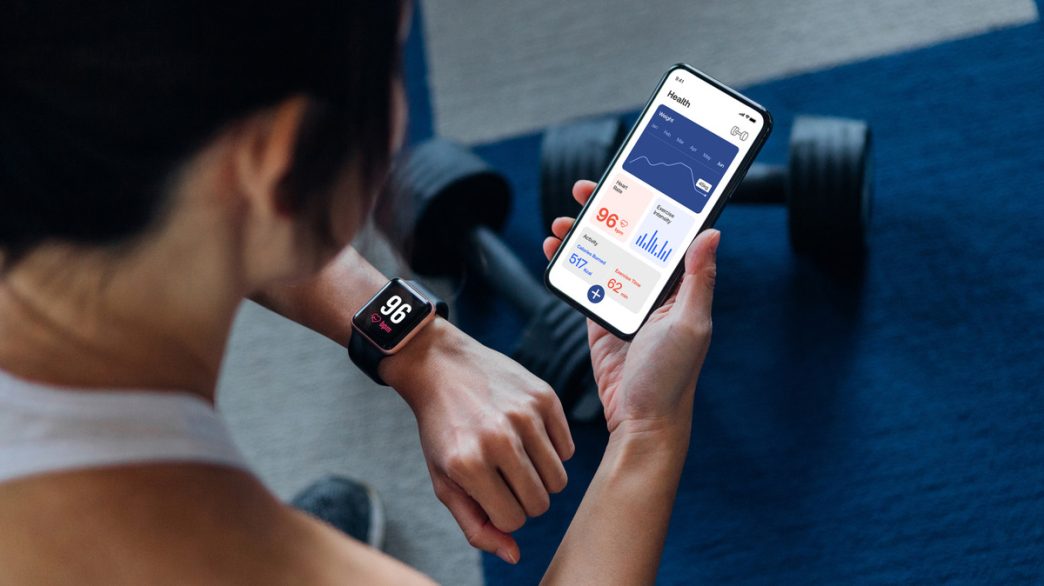
As humans, we are obsessed with fitness—so much so that we’ve created technology to monitor every inch of our physical activity. Whether it’s walking, running, training, or even sleeping, there’s a gadget for everything. In the world of fitness wearables, three major players dominate the field: Garmin, Apple, and Whoop. And they’re not just leading the race—they’re miles ahead.
Meanwhile, Fitbit, once the darling of the wearable tech world, seems to have fallen by the wayside. Remember when everyone had a Fitbit? How times have changed.
If you’re thinking of diving into the fitness wearable market and aren’t sure where to start, BC has got you covered. Here’s what to expect from the top contenders and recommendations based on what you’re after.
Garmin
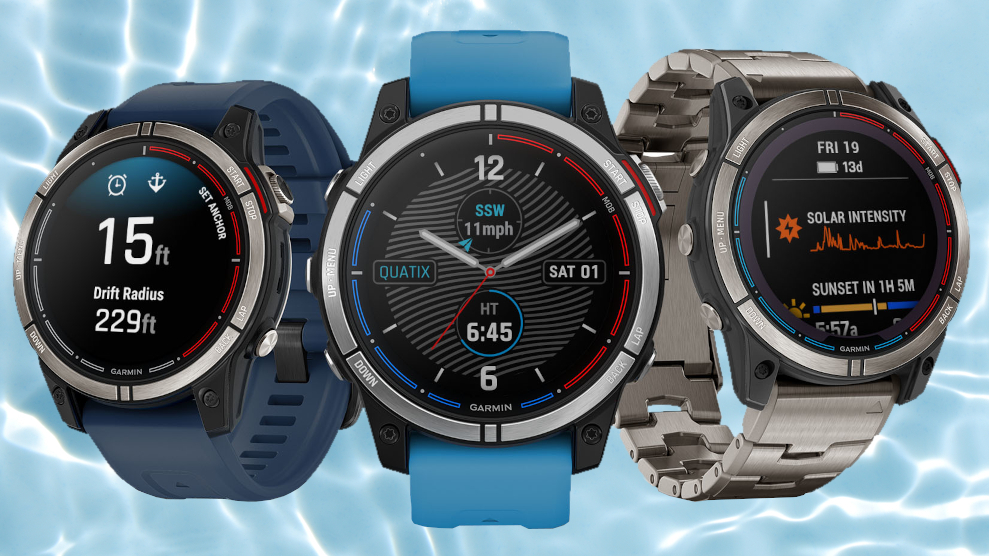
Garmin is the undisputed leader of wearables when it comes to pure fitness tracking. It’s the brand of choice for serious athletes, outdoor adventurers, and data enthusiasts. Garmin has been refining its software for years, resulting in one of the most reliable and detailed fitness ecosystems on the market. Prices range from around $200 for entry-level models to over $1,000 for their high-end devices.

Key Models and Features:
• Forerunner Series: Perfect for runners and triathletes, with advanced metrics like VO2 max, lactate threshold, and real-time stamina tracking.
• Fenix Series: A multisport GPS powerhouse designed for adventurers, offering topo maps, solar charging, and unrivalled durability.
• Venu Series: A lifestyle-focused wearable that combines Garmin’s fitness expertise with a vibrant AMOLED display, perfect for everyday use.
Pros:
• Exceptional battery life (up to two weeks on some models).
• In-depth analytics tailored for various indoor and outdoor sports.
• Rugged and durable designs suited for outdoor use.
Cons:
• High price point for premium models.
• The user interface can be complex for beginners.
Apple
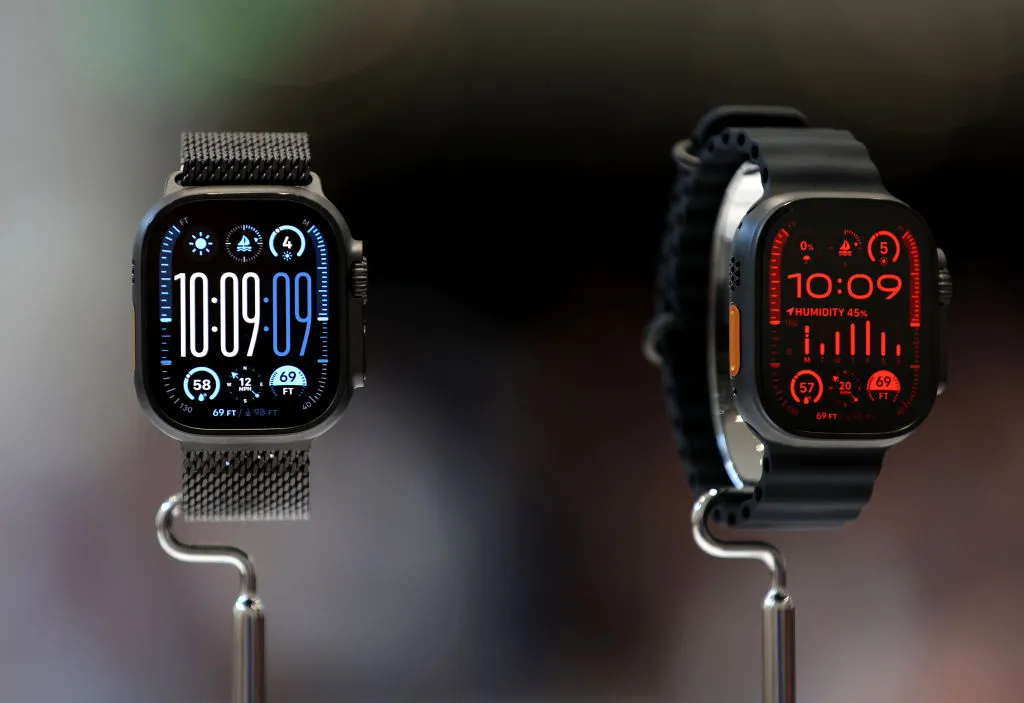
Apple wasn’t traditionally synonymous with fitness wearables, but it’s made huge strides in recent years, especially with the launch of the Apple Watch Ultra. Earlier models struggled with accuracy in certain metrics, but Apple has turned things around to become a serious contender in this space.
Key Features:
• Advanced heart rate and blood oxygen tracking.
• Detailed workout tracking with personalised coaching and goal-setting.
• Integration with the Apple Fitness+ ecosystem, offering guided workouts.
• The latest models, like the Apple Watch Ultra, also boast robust durability, dual-frequency GPS, and water resistance suitable for divers.
Pros:
• Combines fitness tracking with smartwatch functionality, offering a wide range of non-fitness features.
• Seamless integration with the Apple ecosystem (iPhone, Mac, etc.).
• Sleek and stylish designs that transition well from gym to office.
Cons:
• Battery life is a letdown, lasting only 18–36 hours depending on usage.
• Bulkier models, like the Ultra, can feel heavy for extended wear.
• Higher price for advanced models compared to competitors
Whoop
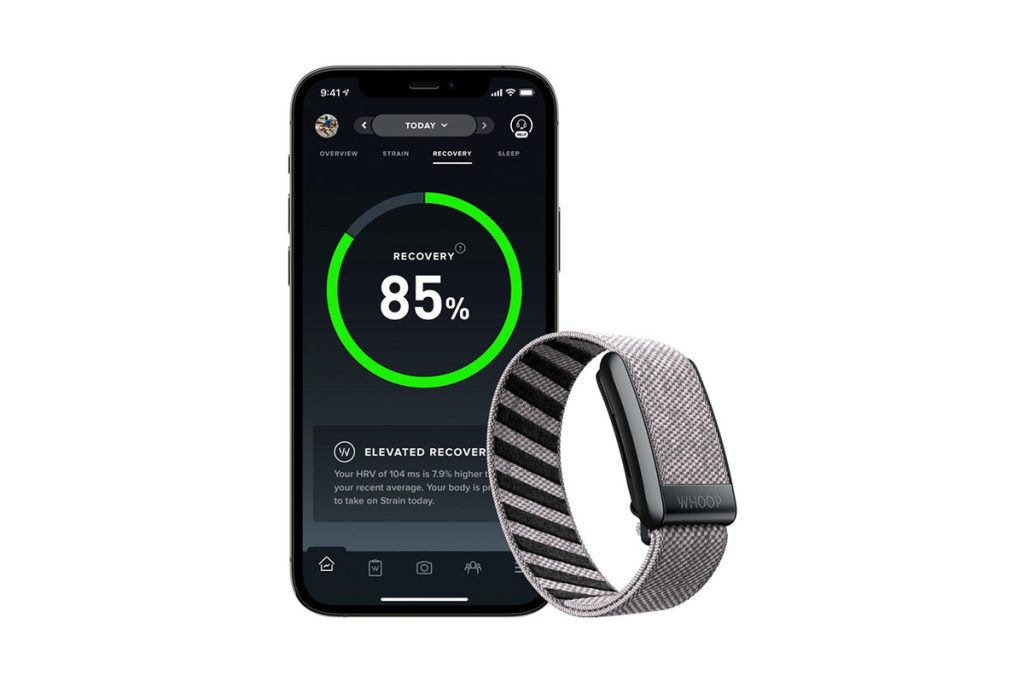
Whoop is the new kid on the block, and they’re real cool. Whoop is making waves with its unique approach. Rather than selling a traditional smartwatch, Whoop offers a membership-based model. For a monthly fee, you get access to the Whoop device and its robust analytics platform, along with a thriving community of fitness enthusiasts.
What Makes Whoop Different:
• Focuses on recovery, strain, and sleep performance.
• Tracks metrics like heart rate variability (HRV), respiratory rate, and sleep disturbances to optimise your daily performance.
• Provides actionable insights, such as when to push harder or prioritise recovery.
Pros:
• Arguably the most detailed fitness analytics available.
• Lightweight and comfortable, designed for 24/7 wear.
• Encourages long-term fitness improvement through a focus on recovery and sustainability.
Cons:
• It’s not a watch—it doesn’t tell the time, which means you’ll need another device for that.
• The subscription model can feel expensive over time compared to one-off purchases.
• Some users prefer a more traditional interface for quick-glance metrics.
So Which One Should You Choose?
• For Data-Driven Athletes: Go with Garmin. Its robust software and sport-specific features are unmatched.
• For Casual Fitness Enthusiasts: The Apple Watch is perfect if you want a balance of fitness tracking and general smartwatch features.
• For Recovery and Lifestyle Insights: Whoop excels in helping you understand your body and optimise your performance.
Whatever your goals, these wearables prove there’s no shortage of ways to monitor and improve your fitness journey. Whether you’re an ultra-marathoner, a gym junkie, or just starting your health kick, there’s something for everyone in today’s competitive wearable market. Get crackin’.