In the past decade, the health and wellness industry has experienced unprecedented growth, with consumers increasingly investing in products and services that promise to optimise their wellbeing. Among these trends, sleep technology has emerged as a particularly dynamic sector, capturing both consumer interest and substantial investment dollars.
The global wellness market has surged from $3.7 trillion in 2015 to over $4.5 trillion in 2023, reflecting a fundamental shift in consumer priorities. This transformation has been largely driven by increased health awareness, amplified through scientific research and the democratisation of health information via social media, podcasts, and digital platforms.
Recent research has reinforced sleep’s crucial role in overall health and performance. Studies from institutions like Harvard Medical School and the National Sleep Foundation have demonstrated that quality sleep is essential for:
- Cognitive function and memory consolidation
- Immune system regulation
- Emotional wellbeing and stress management
- Athletic recovery and performance
- Cardiovascular health
- Weight management and metabolic function
The global sleep economy, encompassing everything from mattresses to sleep tracking devices, is estimated to be worth over $490 Billion USD and is projected to exceed $585 Billion USD by the end of 2024, according to McKinsey & Company. This robust growth is underpinned by a simple yet powerful reality: Sleep is universal, making it a market with virtually unlimited potential.
The Two-Tiered Sleep Market
The sleep technology industry has evolved to serve two distinct but overlapping segments: 
01. Medical and Diagnostic Solutions
This segment focuses on addressing sleep disorders, which affect an estimated 70 million Americans. Companies in this space develop:
- Sleep apnea diagnostic and treatment devices
- Professional sleep lab equipment
- Prescription sleep medications
- Clinical sleep monitoring systems
02. Performance and Wellness Optimisation
This rapidly growing segment caters to athletes and health-conscious consumers seeking to optimise their sleep quality:
- Smart mattresses and bedding
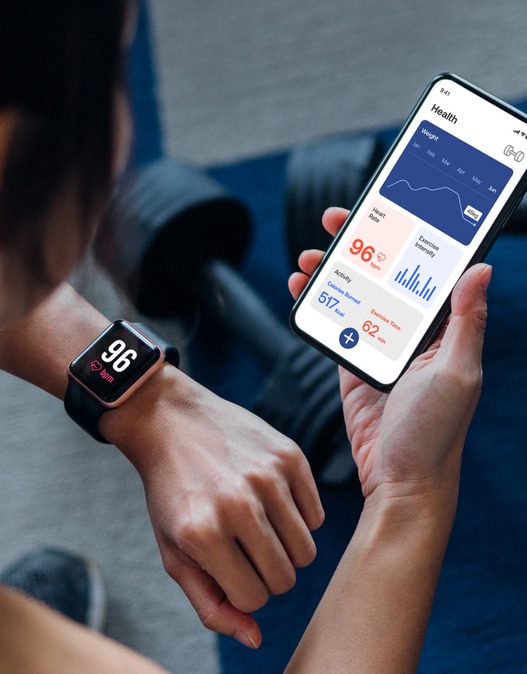
- Sleep tracking wearables
- Environmental control systems
- Natural sleep supplements
- Air purification
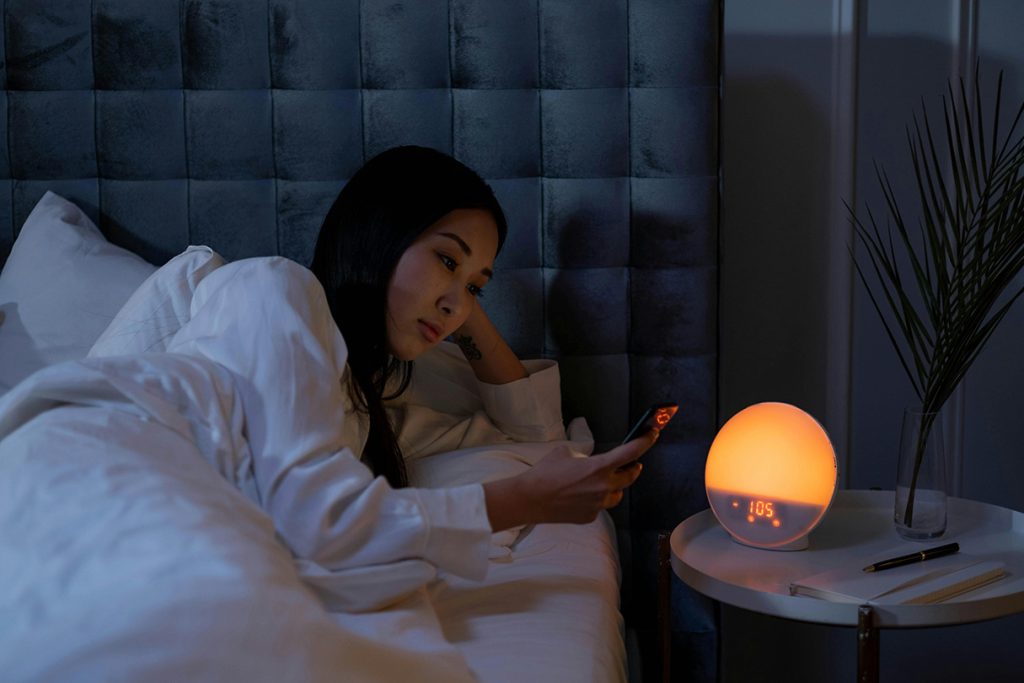
There are several brands pushing the boundaries of sleep technology, these include:
Eight Sleep: Their Pod Pro cover transforms any mattress into a smart bed with temperature regulation and sleep tracking.
Oura Ring: This sleek smart ring has gained popularity for its comprehensive sleep analysis and non-invasive design.
Whoop: Their subscription-based wearable focuses on recovery metrics, making it popular among athletes.
Philips Respironics: A leader in sleep disorder treatment, particularly in CPAP technology.
Purple: Innovating in materials science with their unique hyper-elastic polymer mattress technology.
The Future of Sleep Tech
The sector continues to evolve rapidly, driven by technological advances in:
- Artificial Intelligence and Machine Learning: Enabling more sophisticated sleep pattern analysis and personalised recommendations
- Sensor Technology: Improving accuracy and expanding the range of measurable metrics
- Integration: Creating seamless ecosystems of sleep-optimisation products
- Chronobiology: Better understanding and application of circadian rhythm science
- Environmental Control: Smart home integration for optimal sleep conditions
The sleep technology industry represents a unique intersection of healthcare, consumer technology, and wellness. As our understanding of sleep’s importance grows and technology continues to advance, this sector is likely to see continued innovation and investment. The universal nature of sleep, combined with increasing health consciousness and technological capability, suggests that the sleep economy will remain a significant growth opportunity for years to come.